
When property owners notice a tree on their property showing unusual changes, they often search for guidance on how to tell if a tree is dying.
ClearView Tree Care is the local leader in professional tree services in Indian Land, South Carolina, and we’d like to discuss the leading warning signs that you need help from a certified arborist to assess a troubled tree.
1. Look for Leaf Discoloration That Signals Distress
Healthy leaves indicate an active, functioning tree. Color shifts appearing at the wrong time of year often indicate deeper issues beneath the surface. Signs of leaf distress include:
- Yellowing, browning, or wilting long before fall
- Patchy canopy sections that fade while the remainder stays green
- Smaller leaves than usual during spring and summer
When one section of the tree experiences unusual color changes, internal root problems or hidden tree decay often influence nutrient flow. Broad canopy discoloration may point to drought, soil imbalance, or a systemic disease.
2. Dead Branches Reveal Canopy Decline
Large and small dead branches are among the most apparent indications that a tree is struggling to remain healthy. Property owners usually notice brittle limbs, twigs that snap easily, or branches with no buds as spring begins.
If deadwood clusters on a single side, trunk decay or structural failure may be developing. Scattered deadwood throughout the canopy points to disease, drought stress, or declining root function. These branches also create falling hazards during storms and require prompt attention.
3. Bark Damage Shows How Well a Tree Responds to Stress
Another way to tell if a tree is dying is by examining its bark regularly. A thriving tree replaces its bark consistently throughout the growing season. When bark stops forming, problems with circulation or structure are often the culprit. Concerning forms of bark damage include:
- Deep vertical cracks that reveal inner wood
- Large, loose bark sections that peel away
- Sunken areas where bark has died
- Smooth patches where new bark fails to grow
Bark problems may indicate pests, sunscald, lightning injury, or internal decay that weakens the trunk. When bark damage pairs with canopy thinning, the risk of structural instability increases.
4. Watch for Active Tree Decay Around the Trunk or Root Flare
Once tree decay begins, it advances from the inside outward and cannot be reversed. You can often identify decay through:
- Soft wood around cavities or openings
- Crumbling, fragile areas along the trunk
- Bulges that indicate structural stress
When wood feels spongy or hollow, a significant portion of the trunk may already be compromised. Indian Land’s humidity accelerates decay, which increases the need for early inspection.
5. Fungal Growth Signals Internal Problems You Cannot Ignore
Most homeowners recognize fungal growth on a trunk or root flare as a significant warning sign. Mushrooms and other fungal growths typically feed on organic material when dead or decaying wood already exists beneath the surface.
Conks are shelf-shaped mushroom growth that are sometimes called bracket fungus. Seeing them near a tree’s base often indicates advanced internal decline. Additional ways to tell if a tree is dying from fungal indicators include looking for oozing sap, unusual stains, or soft, stringy wood found under damaged bark.
6. Root Problems Often Appear Before Canopy Failure
Although roots remain hidden, you can still observe surface clues that point to underground trouble. Common symptoms of root problems include:
- Heaving soil that shifts after storms
- Leaning that worsens over time
- Exposed roots that appear cracked, soft, or rotted
- Standing water at the base of the tree
Indian Land’s clay-heavy soils retain moisture, increasing the risk of root rot, especially after extended rainfall. When roots weaken, the entire structure becomes unstable.
7. Pest Activity Targets Trees Already Under Stress
Insects often take advantage of weakened trees. Boring insects and beetles create small exit holes, frass buildup, and bark loss. Woodpeckers may chip away at bark while searching for larvae. Of course, that’s another clear signal that pests are thriving beneath the surface.
Severe pest infestations often occur alongside other symptoms, such as leaf discoloration, deadwood, or fungal growth.
8. A Leaning Tree May Indicate Structural Instability
A mild lean can occur naturally when a tree grows toward sunlight. A new lean, however, or a lean that worsens gradually, often indicates root failure or internal decay. Warning signs include ground cracking on the side opposite the lean and canopy thinning near the upper limbs. In a region prone to seasonal storms, leaning trees pose a significant risk to nearby structures.
9. Water Stress Creates Visible Leaf and Branch Symptoms
Trees need balanced moisture. Too much or too little water leads to visible problems, particularly in the Carolinas’ climate. Symptoms of water stress include:
- Brown leaf margins
- Drooping or wilted foliage that does not recover overnight
- Mold or mildew on leaves
- Decline after flooding or heavy saturation
When moisture levels shift quickly, trees lose stability and health in the root zone.
10. Multiple Signs Occurring Together Suggest Systemic Decline
Although each sign alone provides valuable clues, the most concerning trees show combinations of symptoms.
Common groupings include leaf discoloration, brittle deadwood, fungal activity, bark cracking, and unstable root systems. When several issues arise simultaneously, the tree is likely to experience widespread decline, and timely evaluation becomes essential.
When Should You Call an Arborist in Indian Land?
Schedule an expert inspection when you notice any of the following:
- Large sections of dead branches
- Fungus or conks on the trunk
- Cracking bark with visible decay
- Leaning combined with weakened roots
- Sudden canopy thinning across multiple seasons
Local professionals can identify treatment options, stabilization strategies, or removal needs if your tree poses a safety hazard.
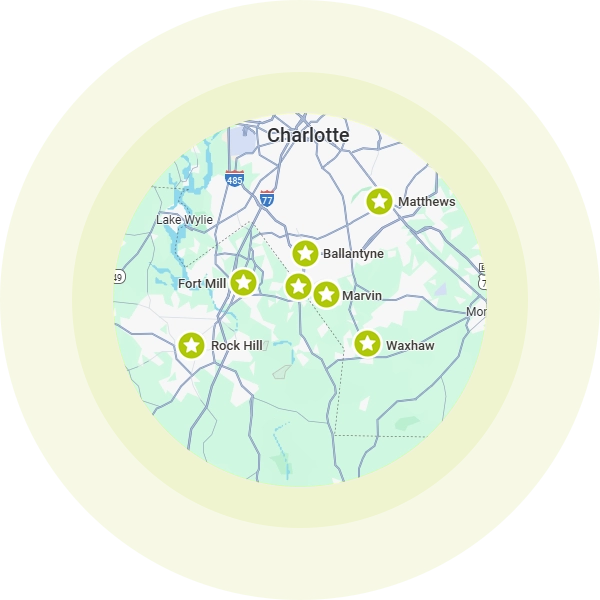
Contact ClearView Tree Care for Expert Assistance in Indian Land and Across Greater Charlotte
Understanding how to tell if a tree is dying becomes much more accessible with expert assistance. Early action protects both your property and your landscape investment.
Call ClearView Tree Care today at (518) 796-6425 or contact us online to discuss your needs and to request a free estimate.